

If your Amarillo home has doors that stick, floors that slope, or cracks running diagonally through your drywall, the soil beneath your foundation is likely telling you something. The Texas Panhandle sits on some of the most expansive clay soil in the state, and that soil moves constantly. Valdez Roofing provides professional foundation repair in Amarillo, TX, with solutions built specifically for the shrink-swell conditions that define West Texas ground. We offer free foundation inspections, transparent written estimates, and a lifetime transferable warranty on qualifying work.
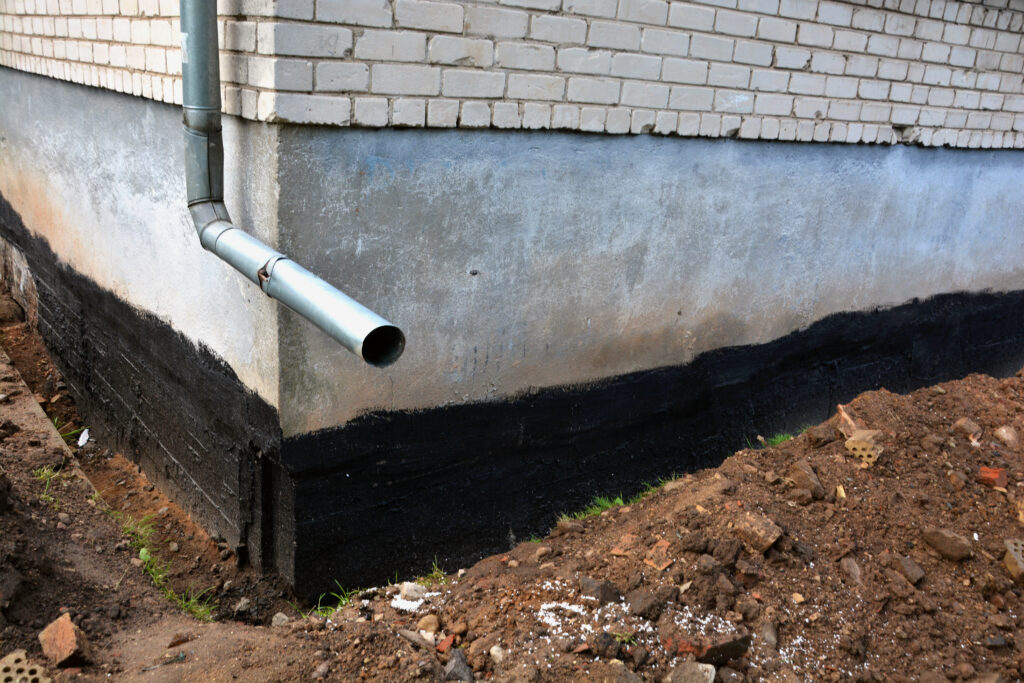
Foundation problems in Amarillo are not random and they are not rare. The geology of the Texas Panhandle created near-perfect conditions for foundation instability, and almost every homeowner here will deal with some degree of movement over time.
Investing in repairs provides several key benefits, including:

A properly sealed surface defends your foundation, driveway, and exterior walls from Amarillo’s harsh weather and temperature changes.

Preventive maintenance extends the life of your homes foundation, saving you thousands in potential long-term repairs.

Whether you’re planning to sell or simply want your home to look its best, restored surfaces make a strong first impression and assure buyers of quality upkeep.

Professional repairs restore stability and strength, giving you peace of mind knowing your home is both beautiful and secure.
At Valdez Roofing, we understand that these repairs is a substantial investment. That’s why we offer flexible financing options through Service Finance to help you manage the cost effectively.
Enjoy competitive interest rates tailored to your budget.
Our straightforward application process ensures quick approval.
Select from various payment plans that suit your financial situation.
Start your Concrete & Masonry project without hefty upfront payments.
Benefit from flexible financing terms that align with your financial goals.
Explore financing options for your project. Contact us today to find the best plan for you.
When it comes to solid construction, Valdez Roofing & Remodeling delivers results that last. Whether you need a new driveway, custom patio, or stone accent wall, our team is ready to help you build something exceptional.
With decades of industry experience, Valdez Roofing brings proven skill and craftsmanship to every concrete and masonry project.
We offer fair and transparent pricing without compromising the quality of work.
We use only the best materials available on the market to ensure the durability and aesthetics of your roof.
At Valdez Roofing , exceptional customer service is at the heart of everything we do — clear communication, honest pricing, and a commitment to your complete satisfaction from start to finish.
We proudly serve Amarillo, TX, delivering reliable, high-quality foundation repair services. Your satisfaction is our top priority on every project.
Foundation problems in Amarillo are not random and they are not rare. The geology of the Texas Panhandle created near-perfect conditions for foundation instability, and almost every homeowner here will deal with some degree of movement over time.
The soil throughout Potter County and Randall County is dominated by smectite clay minerals, with clay content ranging from 30 to over 60 percent in many areas. This type of soil absorbs moisture aggressively. When rain falls or irrigation runs, that clay expands and pushes upward against your foundation slab or perimeter beams. When Amarillo returns to its characteristic hot, dry conditions, the same soil contracts and pulls away, leaving voids and unsupported sections beneath your home.
This is not a one-time event. Every wet period followed by drought repeats the cycle and compounds the damage. Over years, this constant movement causes slabs to crack, settle unevenly, and separate from the structure above.
Amarillo sees summer temperatures regularly exceeding 100 degrees Fahrenheit. Winters bring hard freezes that can drop into single digits. That temperature range alone causes concrete to expand and contract. When you layer freeze-thaw pressure on top of already-stressed expansive clay, cracking accelerates. Diagonal cracks appearing near door frames and window corners are frequently the first visible result of this combined stress.
Many properties in the Amarillo area have grading or drainage conditions that allow water to pool near the foundation perimeter after heavy rain events. Standing water saturates the clay unevenly, creating differential heave. One corner of a slab lifts while another stays settled. That differential movement is what separates wall panels, pops floor tiles, and binds door frames.
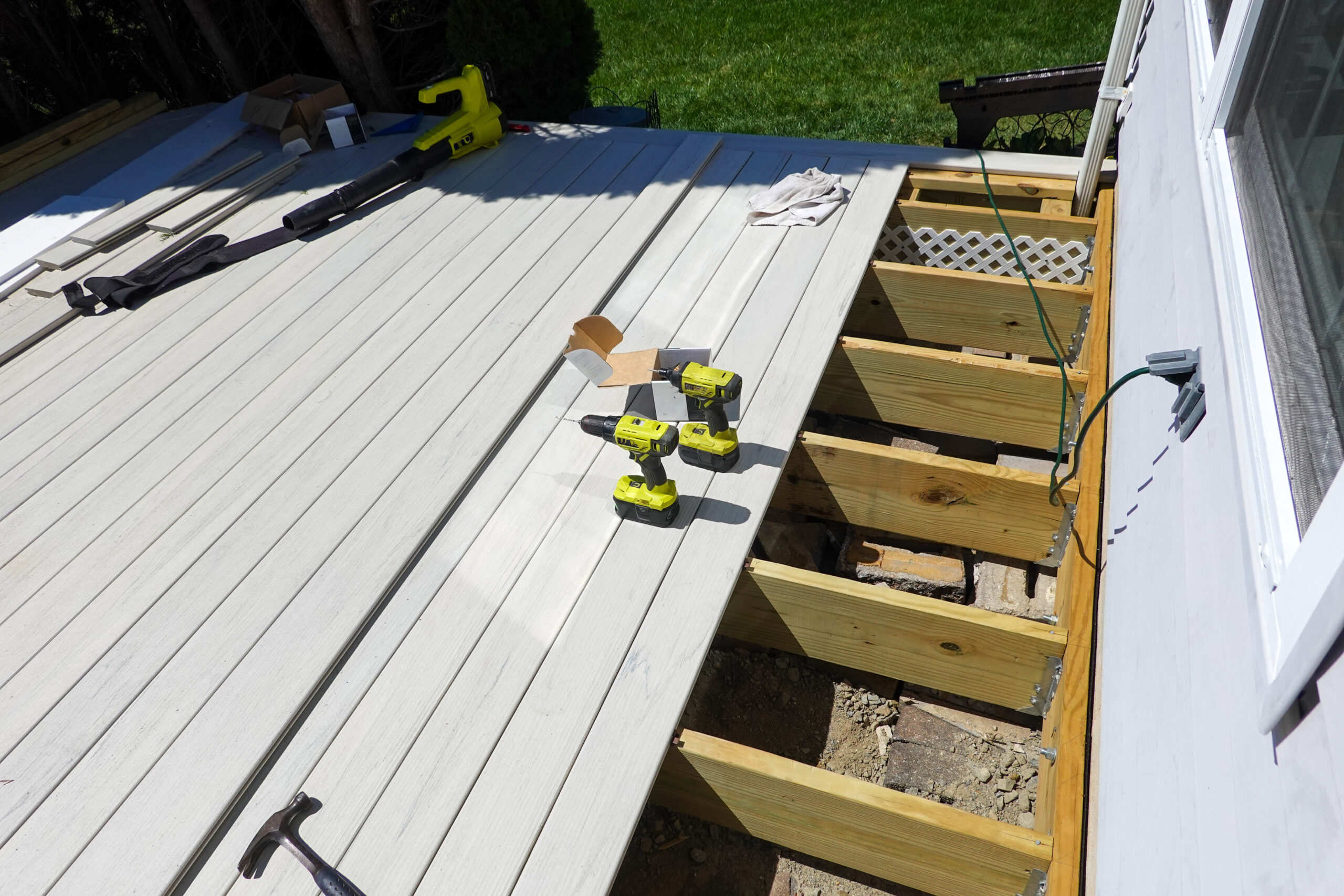
Foundation damage rarely announces itself with a single dramatic event. It builds gradually, and the signs appear throughout the structure before they ever show up in the foundation itself. Watch for these indicators:
Cracks in walls and ceilings. Diagonal cracks running from the corners of door frames or windows at a 45-degree angle are a consistent indicator of differential foundation movement. Stair-step cracks in brick veneer follow mortar joints and indicate settlement on one side of the structure. Horizontal cracks in poured concrete or block walls signal lateral soil pressure. Any crack wider than one-quarter inch or showing vertical displacement requires professional evaluation.
Doors and windows that stick or gap. When a foundation shifts, the structural frame above it racks slightly out of square. Door frames that bind in warm weather, windows that no longer latch cleanly, or visible daylight gaps around exterior doors are direct symptoms of that racking.
Uneven or sloping floors. A floor that noticeably slopes toward one corner, or that feels spongy in isolated areas, often reflects settlement in the underlying foundation system. In pier and beam homes, this can also indicate deteriorated beams or piers.
Separation between walls and ceilings or floors. Gaps appearing at the junction of interior walls and ceilings, or at baseboards separating from the floor, indicate the structure is shifting and sections are moving at different rates.
Bowing or tilting walls. Walls that have begun to bow inward are under active lateral soil pressure. This condition worsens over time and should not be deferred.
Water or moisture intrusion near the foundation. Persistent moisture, efflorescence (white mineral deposits) on concrete, or damp spots appearing in crawl spaces or along foundation walls often indicate both a drainage issue and a structural vulnerability.
Foundation leveling restores the elevation profile of a settled or sunken foundation to as close to its original position as possible. For slab foundations, we access the foundation from beneath through minimally invasive holes excavated at strategic points around the perimeter and interior. Hydraulic lifting equipment raises the settled sections incrementally while the structure is monitored for response. Steel spacers and concrete blocks are then set to lock the elevation in place.
For pier and beam foundations, leveling involves adjusting, replacing, or adding piers beneath the beam network and shimming the beams back to level.
Steel piers are the most durable long-term solution for foundations affected by expansive clay. Hollow steel cylinders are hydraulically driven through the unstable clay layer, typically 20 feet or deeper, until they reach competent load-bearing soil or bedrock. The weight of the structure transfers through these piers to stable strata, effectively bypassing the shrink-swell zone entirely.
Steel piers do not move with moisture changes once installed. They are our primary recommendation for significant settlement in Amarillo’s Potter County and Randall County clay soil conditions.
Pressed concrete pilings use concrete cylinders hydraulically pressed into the soil in segments until resistance from load-bearing strata stops advancement. This method has a long track record in West Texas soil conditions and is often faster to install than steel pier systems. Pilings are capped and the foundation is then lifted and locked at the corrected elevation.
For concrete slabs, driveways, walkways, and settled flatwork, polyurethane foam injection offers a faster, less invasive alternative to traditional mudjacking. Small ports are drilled through the slab, and high-density expanding polyurethane foam is injected beneath the concrete. The foam expands to fill voids, lifts the slab, and cures within approximately 60 minutes. This method places significantly less weight on the underlying soil than cement slurry mudjacking.
Structural cracks in concrete foundations are repaired using epoxy injection or polyurethane sealant, depending on whether the crack is active (still moving) or dormant. Epoxy injection bonds the crack and restores the concrete’s tensile strength. Polyurethane sealants are used for cracks where waterproofing is the primary concern. Crack repair is typically performed alongside a leveling procedure, not as a standalone fix, since an unaddressed settlement problem will re-open repaired cracks.
Many foundation problems in Amarillo trace back directly to poor drainage. We design and install French drain systems, perimeter drains, and surface swales that redirect water away from the foundation before it saturates the soil. Correcting drainage is frequently a prerequisite for long-term repair success. Without it, water management problems continue to drive the shrink-swell cycle that caused the original damage.


Step 1: Free Foundation Inspection. A trained technician inspects your foundation, interior structure, and surrounding grade. We document all findings with photographs and measurements, and we identify the root cause of the problem rather than just the visible symptoms.
Step 2: Written Estimate and Repair Plan. You receive a detailed written estimate that explains the recommended repair method, the scope of work, the materials being used, and the total cost. No verbal quotes, no surprise charges on the invoice.
Step 3: Site Preparation. Before any work begins, we lay down plywood to protect your yard and landscaping. Plants in the work area are carefully removed and set aside. If access holes require cutting through concrete flatwork, those areas are marked and the cuts are made cleanly.
Step 4: Repair Execution. Holes are excavated at designated pier locations, typically three to four feet deep and approximately the footprint of a doormat. Piers are driven using hydraulic equipment until proper resistance is reached. When piling systems are used, a cap is placed on the final segment and blocks are positioned between the cap and the foundation beam.
Step 5: Lifting and Leveling. Jacks are positioned on the installed piers. An experienced technician directs the lifting sequence while monitoring structural response throughout the building. The goal is to return each settled section to as near its original elevation as the structure will safely allow. Steel spacers are inserted to lock the lifted position permanently.
Step 6: Backfill and Cleanup. Every excavation is backfilled with soil and any concrete that was cut during site preparation is patched. Plants are replanted. The yard, walks, and drives are cleaned, raked, and washed down. Most jobs leave the property in better condition than they found it.
Timeline: The majority of residential foundation repair projects in Amarillo are completed within one to three days. Extensive pier installations on larger structures may run several days. Your written estimate includes a clear timeline before any work begins.
We repair foundations for single-family homes, historic properties in downtown Amarillo, newer builds in West Amarillo, multi-family residential properties, commercial buildings, and retail strip centers throughout the greater Amarillo area.
Older homes, particularly those built before the 1980s when post-tension slab engineering became more standard in Texas construction, are especially vulnerable to settlement in our clay soil environment. If you are purchasing a property or managing a portfolio of rental homes in Amarillo, a pre-purchase foundation inspection is one of the most useful steps you can take before closing.
Commercial structures require a different analysis approach. Strip centers and apartment buildings distribute loads differently than a residential slab, and repair specifications need to account for load-bearing requirements and occupancy concerns. We work with structural engineers on commercial projects that require stamped repair plans.
Valdez Roofing provides foundation repair throughout the greater Amarillo area, including neighborhoods and communities across Potter County and Randall County. Our service area includes:
Amarillo (all zip codes) — Canyon — Borger — Pampa — Hereford — Dumas — Claude — Tulia — Plainview — Dalhart — and surrounding communities throughout the Texas Panhandle.
If you are outside this area, call us and we will let you know if we can serve your location.
Foundation problems do not resolve on their own. In Amarillo’s soil conditions, deferred repairs become more expensive repairs. A crack that is a cosmetic issue today can become a structural liability within a few seasons of the shrink-swell cycle continuing to work underneath it.
Valdez Roofing offers free, no-obligation foundation inspections for residential and commercial properties throughout the Amarillo area. Our technicians assess the full scope of the problem, not just the visible symptoms, and give you a written plan with straightforward pricing before any work begins.
The primary driver is the expansive clay soil that underlies most of the Amarillo area, including properties throughout Potter County and Randall County. This soil contains high concentrations of smectite clay minerals that swell significantly when wet and contract during dry periods. Amarillo’s climate, with hot summers frequently exceeding 100 degrees, periodic drought, and occasional heavy rain events, creates an ideal cycle for this expansion and contraction to cause progressive foundation damage. Homes near mature trees are at additional risk because root systems draw soil moisture, accelerating shrinkage on one side of the foundation.
Minor crack repairs and limited leveling work on smaller residential slabs typically start in the range of $3,000 to $5,000. More significant pier installations for homes with substantial settlement commonly range from $7,000 to $15,000 or more depending on the number of piers required and the depth needed to reach stable strata. Every property is different, which is why we provide free on-site inspections and detailed written estimates before any commitment is made. We also offer financing options for qualified homeowners.
Most residential jobs are completed in one to three days. Simple crack repairs or minor leveling may be finished in a single day. Larger jobs involving extensive pier installation on a full-perimeter slab, or commercial properties, may require several days. Your estimate will include a clear timeline.
In most cases, standard homeowner’s insurance does not cover foundation damage caused by soil movement or settlement. Coverage may apply if the damage resulted from a covered peril, such as a sudden plumbing failure that saturated the soil beneath the slab. We recommend reviewing your policy with your insurance carrier to understand your specific coverage. We provide detailed documentation of the damage and repair work that can support a claim if applicable.
A repaired and warranted foundation is a positive selling point, not a liability. Unrepaired foundation damage, on the other hand, is a material disclosure item in Texas that will either reduce your sale price or kill the transaction at inspection. Our repairs come with a lifetime transferable warranty, meaning the coverage passes to the next owner. That warranty adds documented, verifiable value to the property.
Foundation leveling refers specifically to the process of returning a settled section of the foundation to its original or near-original elevation. Foundation repair is the broader term that encompasses leveling, crack repair, drainage correction, and any other work needed to address the structural issue. Leveling is typically one phase of a complete repair scope, not a standalone fix.
